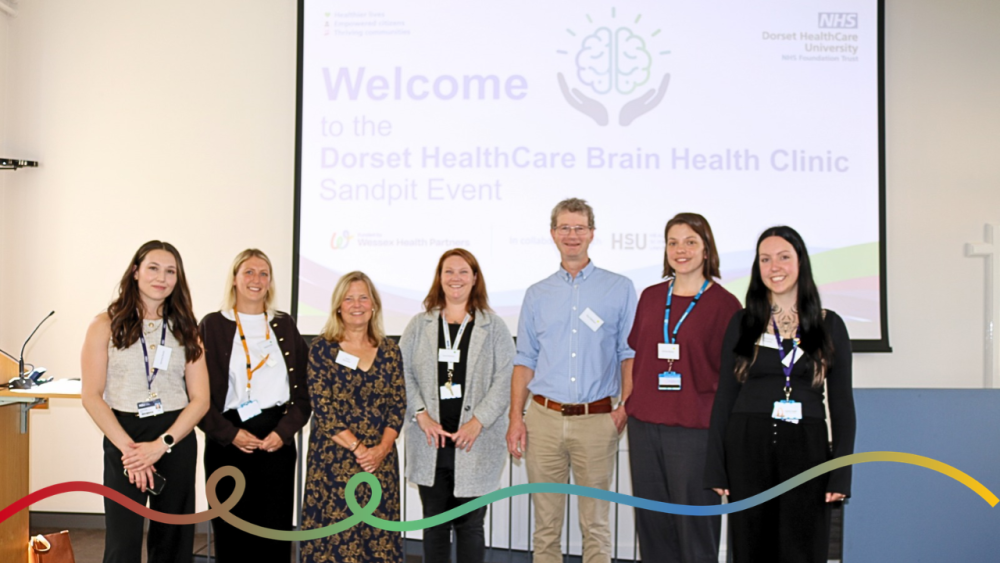
Dorset’s Brain Health Clinic brings the region together to explore next steps in brain health research and services.
The Brain Health Clinic, a joint project between Dorset HealthCare (DHC) and Health Sciences University (HSU), forms a vital bridge between clinical care and dementia research. Patients referred from DHC’s Memory Assessment Service can choose to have additional yearly cognitive assessments and opportunity to discuss the research available within Dorset.
The project is looking to expand by developing research across Wessex and widening research opportunities available to dementia patients.
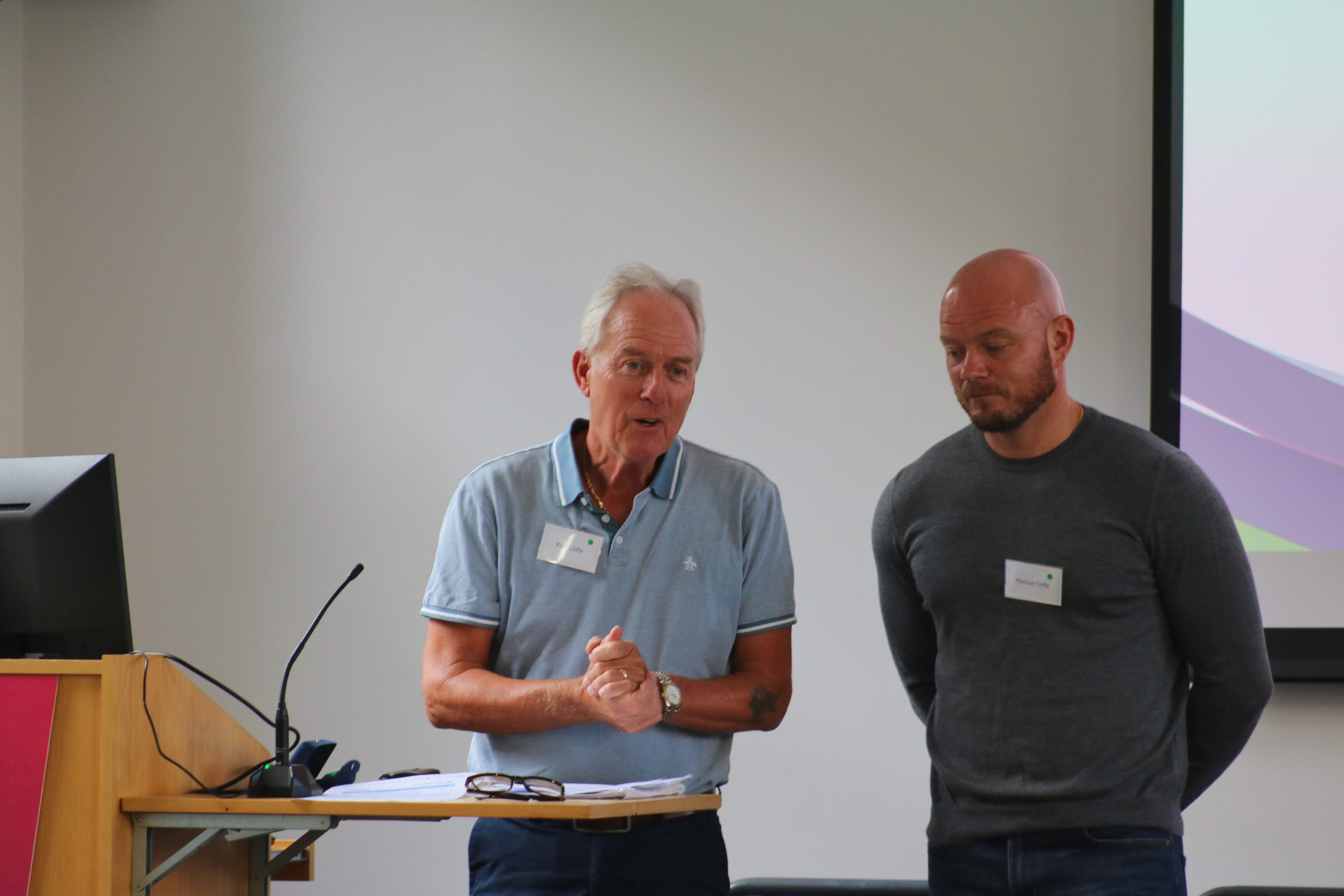
(left - right) Patient representative Paul Cliffe and one of his sons
The sandpit event, hosted by HSU and DHC in partnership with Wessex Health Partners, was the first step in expanding greater collaboration across the partnership, and how dementia research can play a central role in accelerating improved care and services.

“It was inspiring to see so many people, from those with lived experience to clinical, academic and community partners, come together with a genuine desire to make a difference. The conversations were open, honest and full of ideas. Most importantly, they reinforced our shared belief that better research happens when it is shaped with people, not for them. We now have the foundations of a new Brain Health Research Group that can turn those conversations into meaningful action and opportunities for people affected by memory concerns and dementia across Wessex.”
Hazel Burt, Lead Research Practitioner, Dorset HealthCare University NHS Foundation Trust
“It was wonderful to see so many people from different professions and organisations coming together to help us plan the next steps for the Dorset Brain Health Clinic. Such interest in research at both a local and national level is a great step towards improving the life of those with dementia and their carers. With recent developments in our knowledge of possible dementia treatments it is an exciting time to be involved in dementia researc . The Brain Health Clinic will help us to offer suitable research trials to those with dementia living in Dorset.”
Dr Carol Bannister – Consultant Psychiatrist and Clinical Lead for the Brain Health Clinic
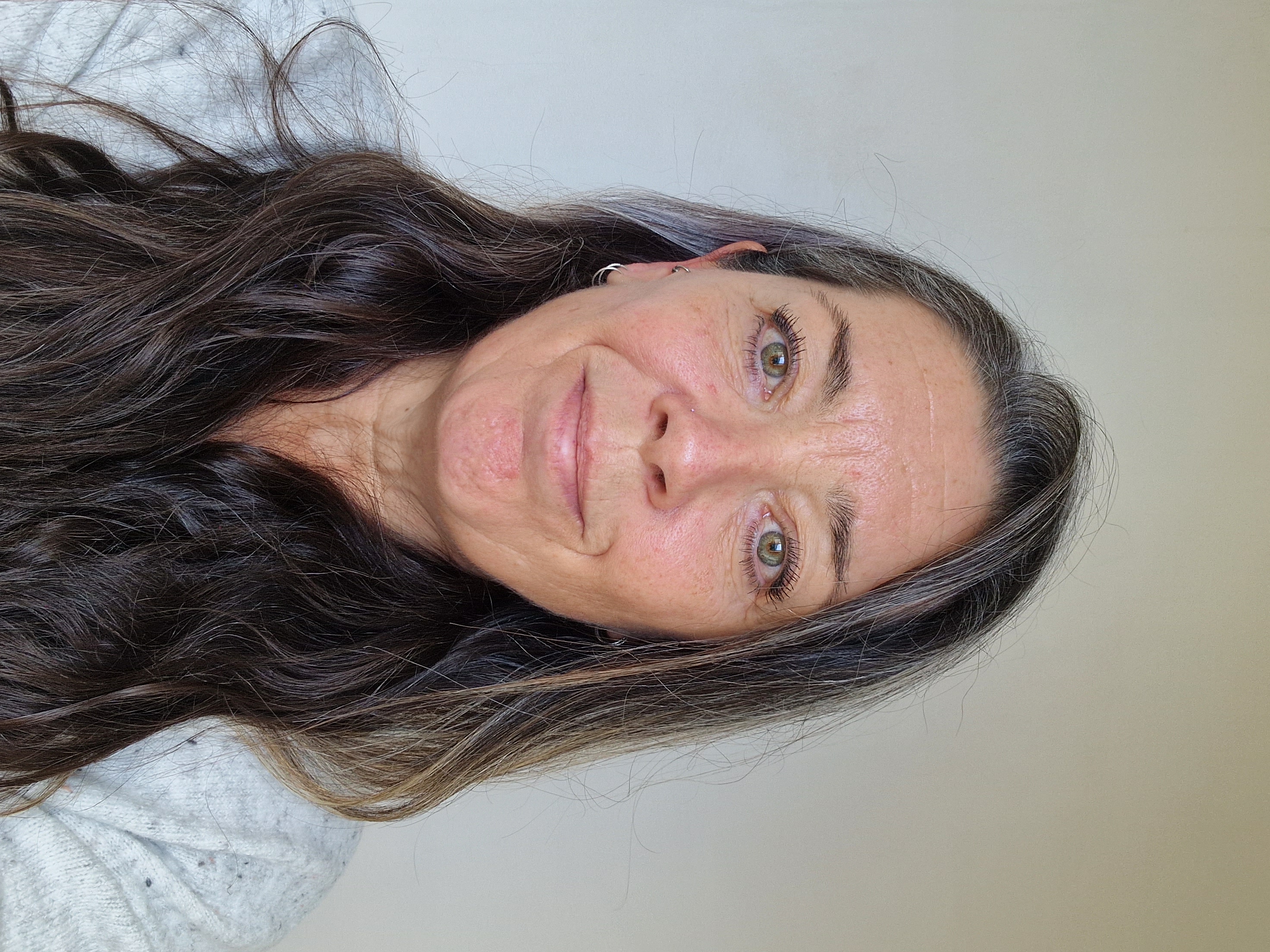
“I was unsure what to expect from the Sandpit event, but it turned out to be a valuable opportunity to hear some very interesting speakers and to increase my knowledge in areas that I might not have had the chance to do otherwise. I found out about some areas of research practice such as the breadth of Alzheimer’s trial and what research nurses do in various roles, as well as a greater understanding of the broad reach of the Trust’s research department that will be really useful. The chance to network and collaborate with others who values the importance of research and investigation in this field is a high-quality practice intervention in itself.”
Jood Gibbins Service Lead for PAN Dorset Memory Assessment Service (MAS)
Uniting lived experience with research expertise
The event heard directly from people living with cognitive impairment. The patient voice shaped discussions and reinforced the importance of incorporating lived experience into future research and service development.
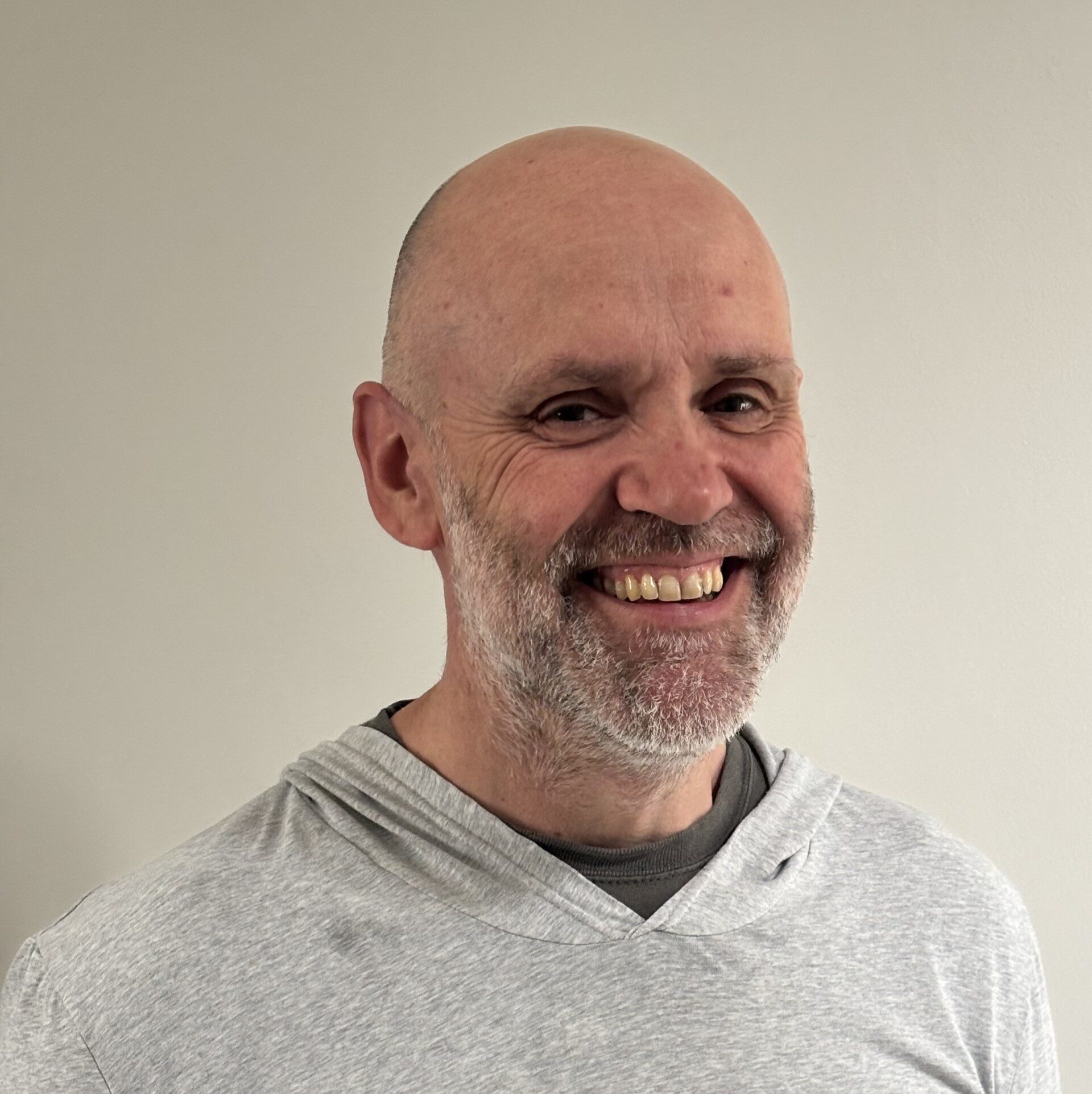
Patient representative Paul Cliffe shared his personal experiences.
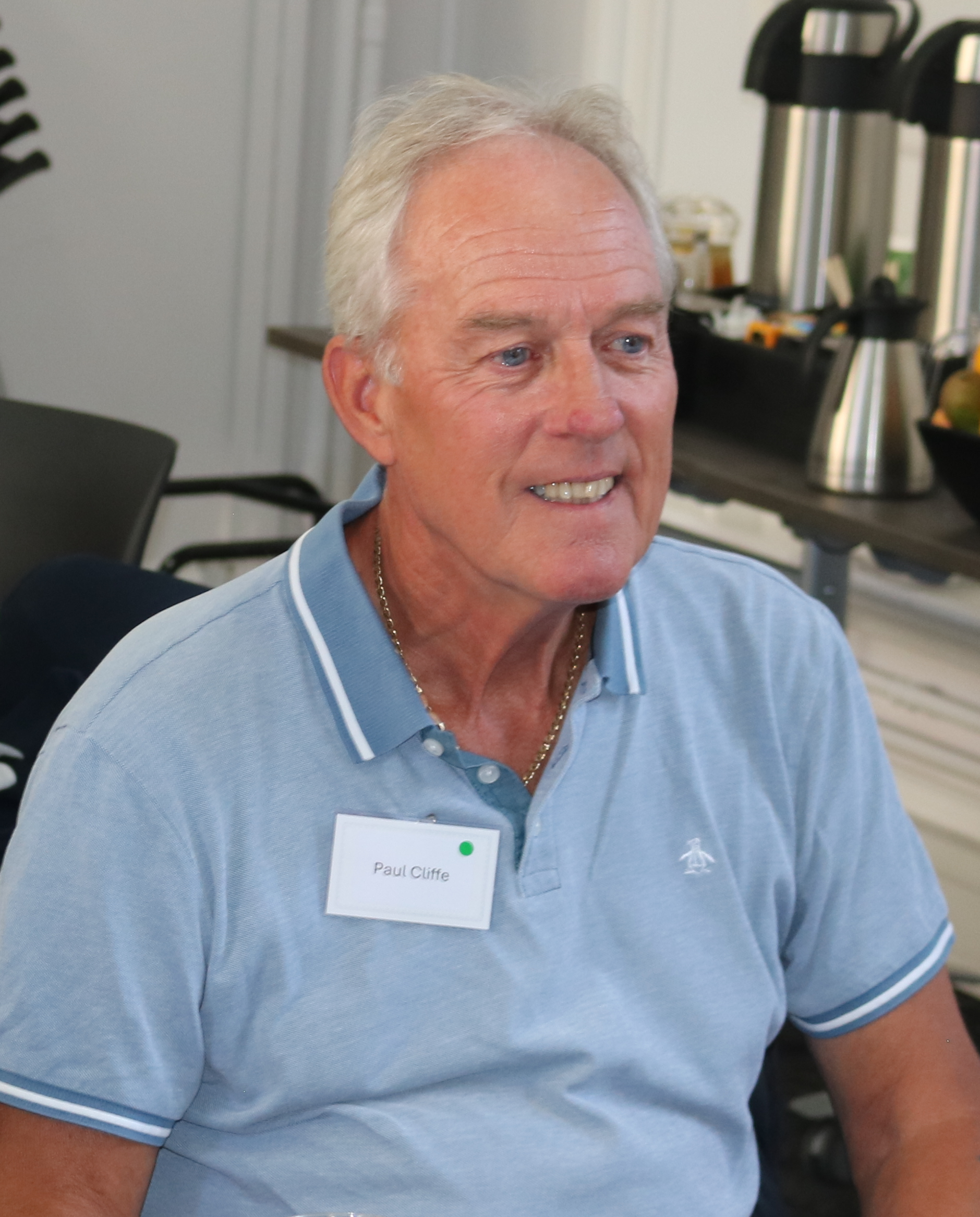
"I felt part of a group of incredible people who'd all come together to try and make a difference and improve the lives of others – there’s something very powerful about this."
Paul Cliffe
"Hearing first-hand the impact of cognitive impairment was a powerful reminder of why this work matters and of the huge benefit that an effective, person-centred service can deliver."
Dr Philip Bright, Senior Lecturer and RAE Unit Leader at Health Sciences University
Dementia research pipeline
Professor Chris Kipps, Consultant Neurologist and Clinical Lead for the Mental Health, Dementia and Neurology Division in the Wessex Clinical Research Network, shared key developments in the future of dementia research and the prospects it holds for treatment.
Cat Medley, Regional Manager at Alzheimer's Society, conveyed the importance of early diagnosis and the opportunities these provide for treatment and support.
Breakout sessions discussed information needs, research opportunities and future priorities for brain health services and research.
Building the future of the Brain Health Clinic
By bringing together patients, people with lived experience, healthcare professionals, researchers, academics and partner organisations, the event demonstrated the value of combining perspectives to shape the future of brain health.
The discussions will help inform future collaborations, the development of home-grown research opportunities relevant to the Wessex population, and the continued evolution of the Brain Health Clinic through meaningful patient and public involvement and engagement (PPIE).