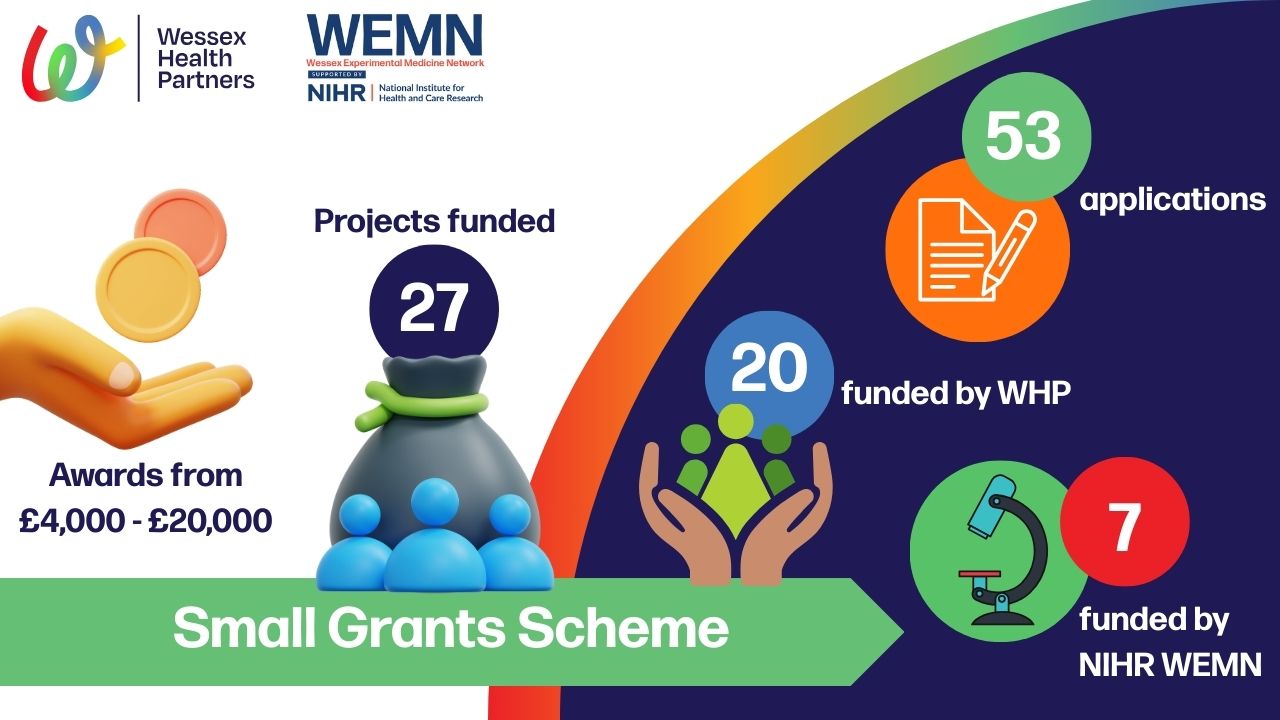
Our warmest congratulations to all successful applicants and sincere thanks to everyone who took part. Each application demonstrated the passion and dedication of our research community, and we look forward to seeing these projects create impact in Wessex and beyond.
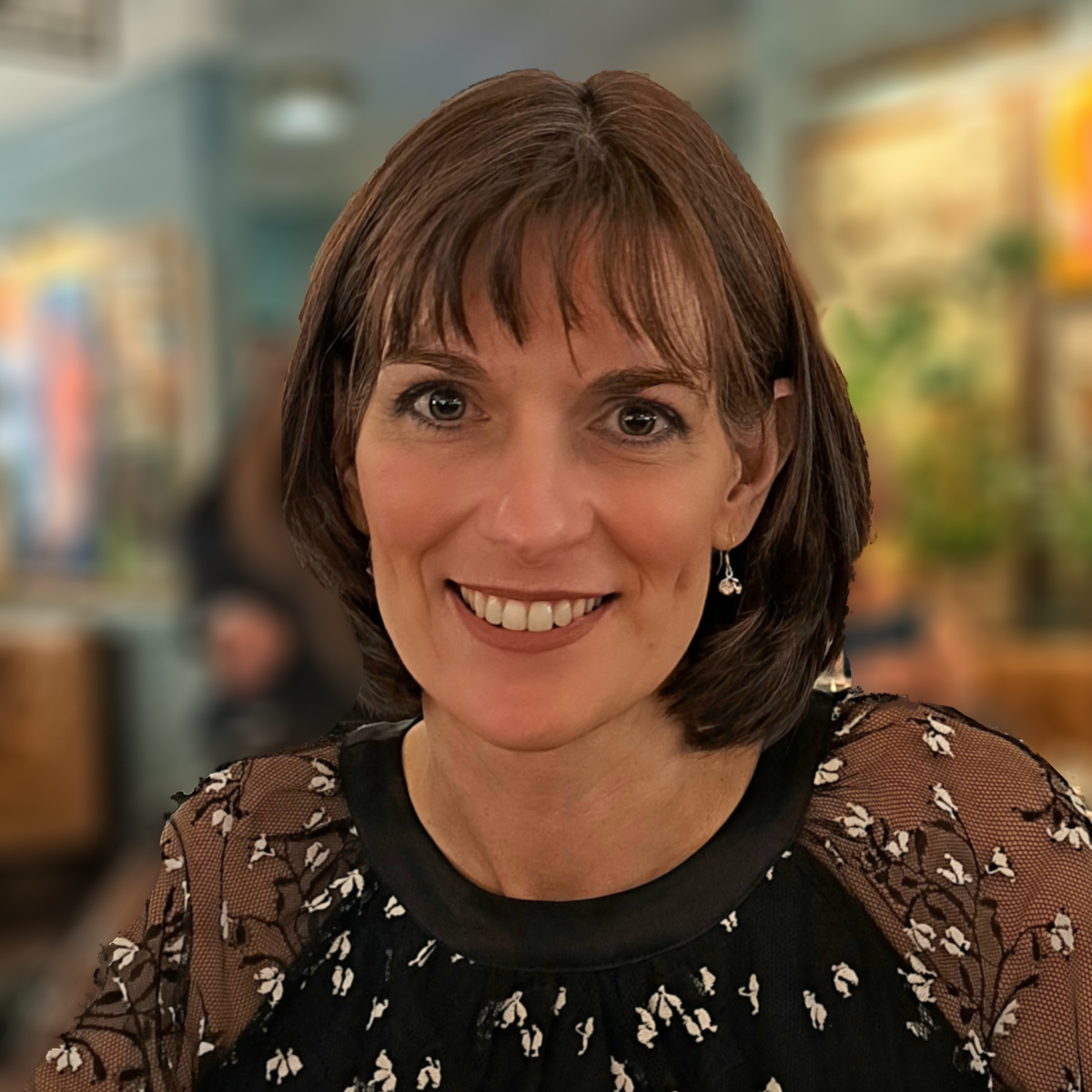 Christine McGrath, Managing Director, Wessex Health Partners, said: "This round reflects the extraordinary talent and commitment within our research community. By supporting projects ranging from cutting-edge technologies to community-driven initiatives, we're advancing health research. These grants embody the shared vision of all our founding partners - to build a stronger, more connected research ecosystem that delivers real benefits to patients and communities.”
 Ruth Challis, Project Manager, NIHR Wessex Experimental Medicine Network, said: “I have been blown away by the quality and innovation
within the new collaborative grants submitted to the NIHR WEMN Small Grant
Scheme this year. These have made it very difficult for the funding review
panel to select the best projects to fund. It is clear that this ring-fenced
small grant funding is hugely valued by our applicants. Successful awards from
past rounds have helped applicants springboard onwards towards much larger and
more competitive external grants – exactly what we hoped for. I would like to
thank everyone who applied.”
Ruth Challis, Project Manager, NIHR Wessex Experimental Medicine Network, said: “I have been blown away by the quality and innovation
within the new collaborative grants submitted to the NIHR WEMN Small Grant
Scheme this year. These have made it very difficult for the funding review
panel to select the best projects to fund. It is clear that this ring-fenced
small grant funding is hugely valued by our applicants. Successful awards from
past rounds have helped applicants springboard onwards towards much larger and
more competitive external grants – exactly what we hoped for. I would like to
thank everyone who applied.”
The diversity of projects show how the Small Grants Scheme is driving forward both scientific discovery and patient-centred improvements across the region.
Ideas range from harnessing machine learning and advanced sequencing to improve diagnostics through to community-focused and wellbeing projects. We were delighted to see projects based on mental health collaboration, creative health interventions, restorative approaches to conflict, and innovative ways to support people with conditions such as aphasia and cognitive impairment.
Other projects highlight the importance of inclusivity and engagement, from building menopause allyship in the workplace to improving access to research for people with limited English language proficiency.
Thank you again to all applicants. Outcome letters have been sent.
