One of our small grant scheme projects is helping older adults living with chronic lower back pain to move more
 Chronic low back pain is a major global health issue and one of the leading causes of disability and GP visits in the UK. As the cost of managing and medically assessing this condition rises, innovative treatment models are urgently needed. Traditional exercise prescriptions often have low uptake, particularly among older people who may feel anxious about movement or struggle with confidence.
Musculoskeletal conditions are responsible for 30 million working days lost annually, which has a substantial impact on the economy.
In Dorset, c.480,000 workers suffer from work-related MSK disorders and 8.9 million working days are lost annually.
With low back pain costing the UK an estimated £2.1–£2.8 billion every year and affecting up to one in three older adults, new evidence shows that dance‑based community programmes offer a scalable, cost‑effective option that supports wellbeing and independence while reducing pressure on NHS services.
A different approach: movement through dance
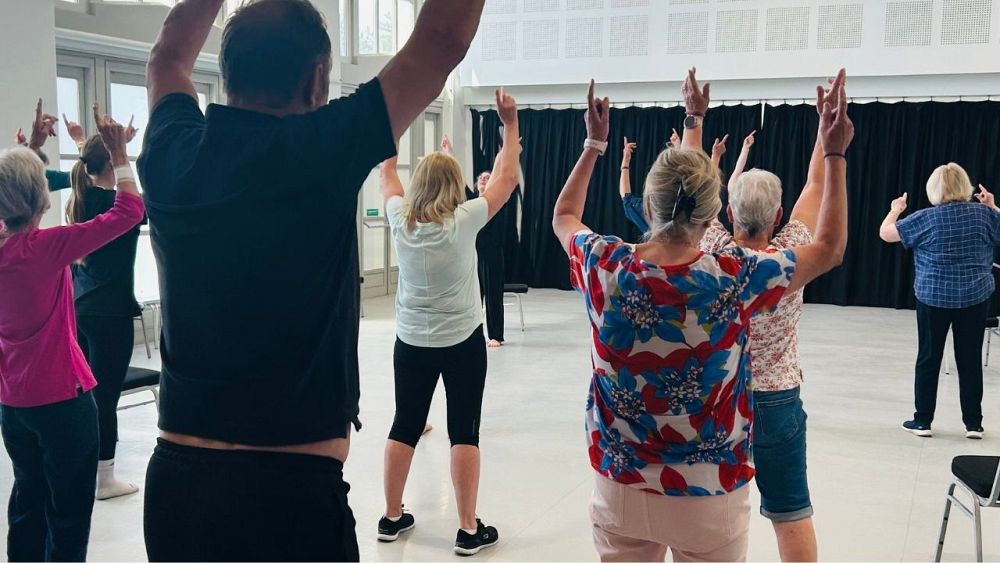
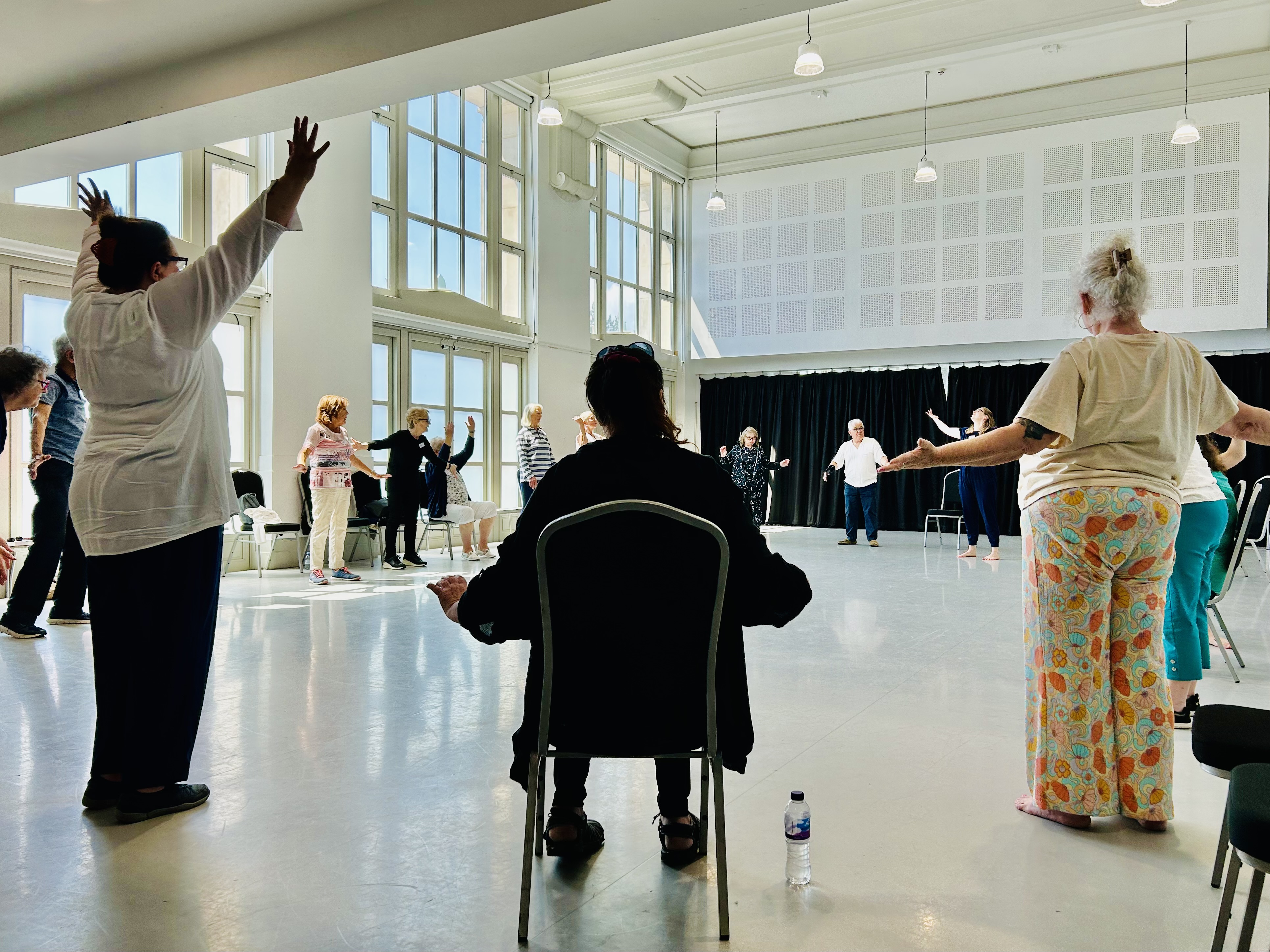
The Health Sciences University-led project in partnership with Pavilion Dance South West takes a fresh approach: instead of giving patients clinical exercises to undertake at home or in a gym, participants join gentle, group-based, music-led sessions designed with Pavilion Dance South West practitioners. Drawing inspiration from Pavilion Dance’s established programmes such as Parkinson’s Dance, the “Groove to Improve” classes use visualisation, creative direction and a welcoming group environment to encourage safe, enjoyable movement.
.png) “Our findings show that it’s not about eliminating pain, it’s about helping people move more freely, build confidence, and overcome fear,” said Dr Neil Langridge, Director of the Institute of Musculoskeletal Health and Innovation at Health Sciences University. “By taking the programme out of clinical settings and into a social, creative space, participants feel more relaxed and more willing to try new movements.”
“Our findings show that it’s not about eliminating pain, it’s about helping people move more freely, build confidence, and overcome fear,” said Dr Neil Langridge, Director of the Institute of Musculoskeletal Health and Innovation at Health Sciences University. “By taking the programme out of clinical settings and into a social, creative space, participants feel more relaxed and more willing to try new movements.”
Participants reported improved mood, sociability, physical function, and overall wellbeing, with many continuing beyond the study through Pavilion Dance’s new pay‑as‑you‑can community classes, which have been launched as a direct result of the project’s success.
“People with chronic low back pain often feel tight and ‘locked up,’ which makes them avoid moving,” explained Dr Langridge. “This avoidance reinforces pain and stiffness. Breaking this cycle by helping people move with confidence is key.”
Christine McGrath, Managing Director of Wessex Health Partners, said: “This project tackles one of the biggest health burdens affecting our region, and the nation. Chronic back pain is a leading cause of disability, lost work and reduced independence. This programme demonstrates that innovative, community‑based models can achieve meaningful improvements in wellbeing while reducing pressure on NHS services.”
Dr Langridge added: “One of our core research themes at HSU is improving the health, wellbeing and quality of life for individuals, families and communities – and this initiative is a great example of this.
“The funding from Wessex Health Partners gave us a springboard to explore this new model of practice. The project gave us the opportunity to bring together a community-based collaboration, utilising HSU’s expertise in musculoskeletal health and Pavilion Dance’s skill in encouraging movement through dance.”
Following the research, Pavilion Dance has launched pay‑what‑you‑can community classes so more residents can benefit. The team is exploring pathways for social prescribing and wider regional rollout.
-
Photos courtesy Pavilion Dance South West