The South-East Clinical Academic Partnership (SECAP), funded by the Medical Research Council’s new Regional Accounts for Clinical Researchers (RACR) programme, has been awarded £700k over the next two years with the award possibility increasing to £1.4m over four years. The partnership will support clinicians across the south east region to remain in research.
Research shows that 41% of postdoctoral researchers never make it into an academic career. For clinicians, an academic career can be even more challenging due to the need to balance the demands of patient care alongside research. It means many talented postdocs quietly step away from science, not through lack of ability, but through lack of support at a critical moment in their careers.
Colleagues in Wessex Health Partners, collaborating with the University of Oxford, want to change that. The South-East Clinical Academic Partnership (SECAP), funded by the Medical Research Council’s new Regional Accounts for Clinical Researchers (RACR) programme, has been awarded £700k over the next two years with the award possibility increasing to £1.4m over four years. The partnership will support clinicians across the south east region to remain in research.
Led by the University of Oxford and bringing together the medical schools based at the universities of Southampton and Portsmouth, Brighton and Sussex Medical School, and Kent and Medway Medical School, SECAP aims to retain talent and accelerate research that benefits patients and communities.
Clinical academics funded through the proposed scheme will receive protected research time, alongside structured mentoring, skills development, grant-writing support, and opportunities for cross-institutional exchange.
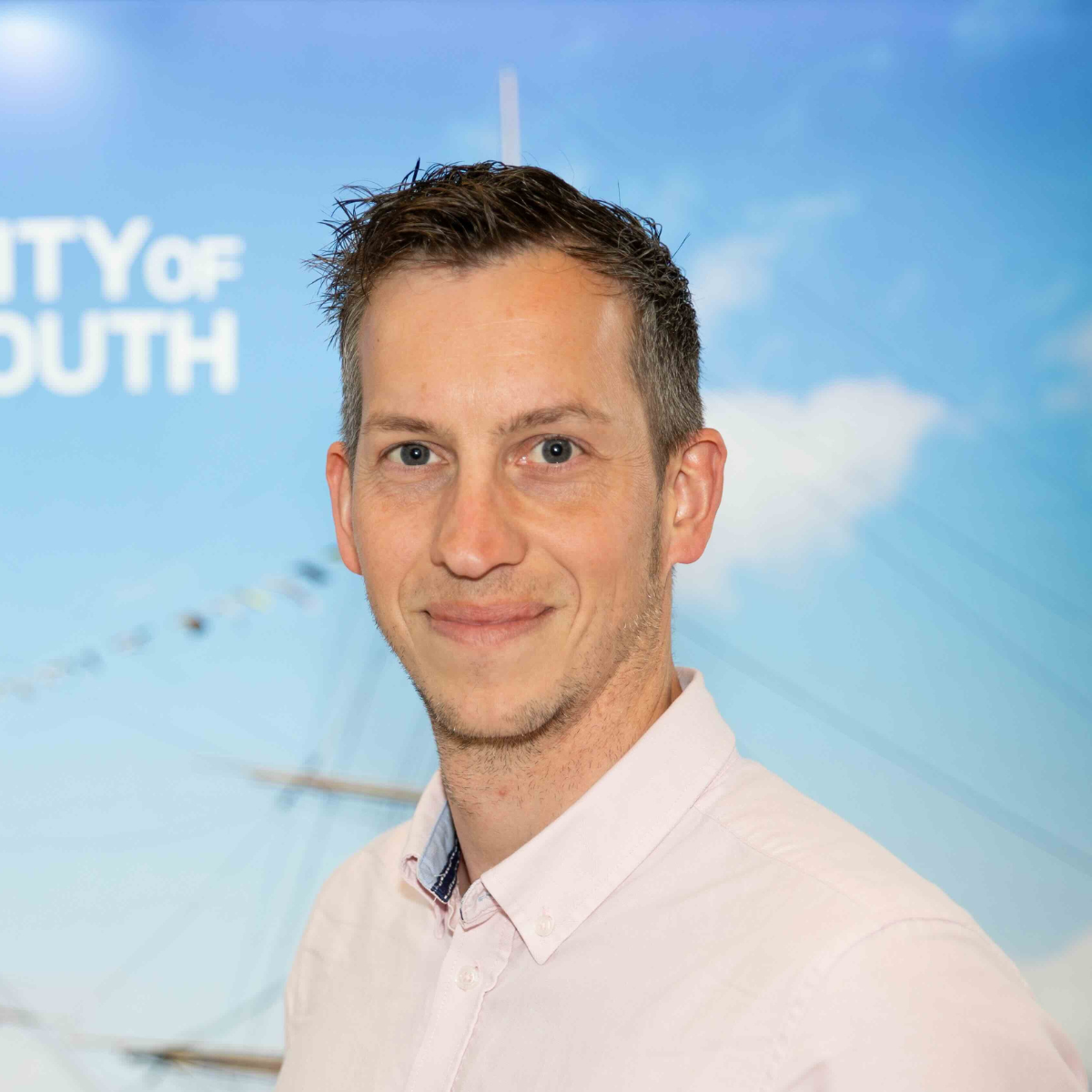 Tim Exell, Associate Professor of Biomechanics and Rehabilitation Science, Director of the Centre for Integrated Health and Wellbeing at the University of Portsmouth and Academic Director of WHP, said:
“Too many talented clinicians reach the end of their PhD and find there simply isn't the infrastructure to help them take the next step.
Through SECAP, we aim to combine our internationally established research environments in Oxford and Southampton with coastal and rural medical schools to widen access to biomedical discovery and give the next generation of clinical academics the platform they deserve to be successful in their research careers.”